
In the early 1980s, a handful of young actors shot to fame almost instantly — but few felt the full force of celebrity, attention, and cultural obsession the way Christopher Atkins did.
At a time when Hollywood was fixated on youth and beauty, Atkins became a sensation. With blond hair, bright blue eyes, and an easy charm, he captured the public’s attention worldwide. What made his rise so striking wasn’t only how quickly it happened — it was the sheer intensity of the spotlight that came with it.
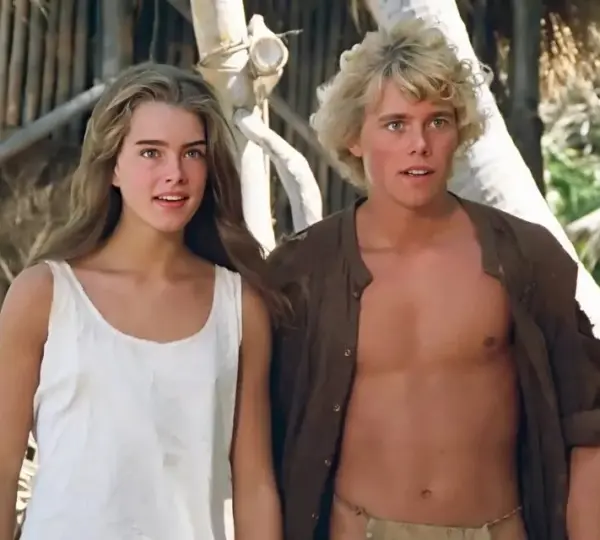
Almost overnight, he went from an ordinary teenager with no professional acting background to one of the most recognizable faces in film. Teen magazines featured him constantly, fan mail flooded in by the thousands, and studios began pushing him as the next big leading man.
But behind the glamorous image was a reality few people saw. Sudden fame comes with crushing pressure — nonstop scrutiny, impossible expectations, and the challenge of holding onto your identity in an industry that often values appearance more than substance. Atkins’s story stands out not just for his early success, but for the grounded, resilient life he eventually built through hard lessons and self-awareness.
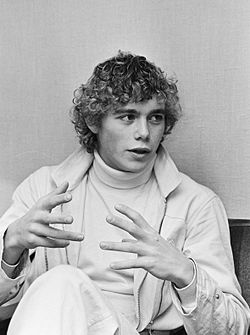
The Role That Made Him a Global Star
In 1980, at only 18, Christopher Atkins landed the role that would define his career: Richard Lestrange in The Blue Lagoon.
The movie, bold for its time, followed two young castaways growing up alone on a tropical island, learning survival, innocence, and first love. Starring opposite Brooke Shields, who was just 14, Atkins became part of a film that turned into a worldwide phenomenon.
The breathtaking island setting and coming-of-age story captivated audiences — but the film also sparked controversy, with critics debating its themes and portrayal of teenage romance.
Despite the backlash, The Blue Lagoon became a huge commercial hit, earning nearly $59 million at the U.S. box office — an impressive total for that era. Atkins instantly became a teen idol, thrown into premieres, interviews, and a level of attention many actors never experience in an entire career.
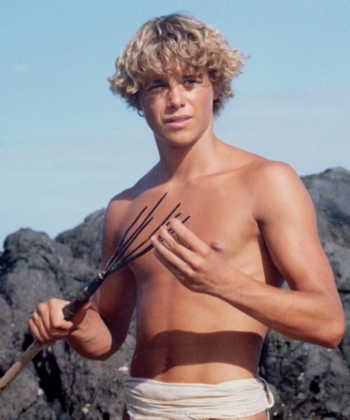
Fame, Typecasting, and Media Pressure
Success quickly came with complications. The controversy surrounding the film only increased the media frenzy. Atkins suddenly had to navigate screaming fans, constant press coverage, demanding contracts, and the frustrating reality of being boxed into one image.
Hollywood often viewed him as the “blond island heartthrob,” not as an actor with range. Many of his roles focused on his appearance rather than his ability, making it difficult for him to evolve beyond that stereotype.
In 1982, he posed nude for Playgirl magazine — a choice that brought even more attention, but also deepened the public’s perception of him as a pin-up figure, making it even harder to break out of the teen-idol mold.

The Private Struggle That Changed Everything
Away from the cameras, Atkins faced a far more serious battle: alcoholism. Like many young stars thrown into fame without support or guidance, he struggled with pressure, loneliness, and the weight of constant expectations.
The fight with addiction took a heavy toll, but he eventually chose a different direction.
He sought help, committed to sobriety, and rebuilt his life from the ground up. Today, he openly speaks about having more than two decades of sobriety, describing it as one of the proudest achievements of his life. Recovery gave him something fame never could — stability.
Choosing Family Over the Spotlight
As the attention faded, Atkins discovered something surprising: he preferred peace over publicity.
He married, raised two children, and shifted his focus toward family and creative work outside of Hollywood. He found happiness in simple routines — quiet mornings, time outdoors, and hands-on projects like designing swimming pools and making fishing lures.
Those everyday pursuits offered what celebrity never did: balance, control, and real satisfaction.
Reconnecting With His Past
Years later, Atkins reunited with Brooke Shields on her podcast Now What?. Their conversation showed a very different perspective than the one they had as teenagers — reflecting on filming in remote locations, the chaos of sudden fame, and the controversy they were far too young to fully understand at the time.
The reunion highlighted how powerful shared experiences can be, even decades later.
A Legacy Built on Resilience
Today, Christopher Atkins’s story isn’t defined only by a teen-idol image or one iconic film. It’s defined by growth.
He:
-
Rose to global fame as a teenager
-
Faced intense public scrutiny
-
Overcame addiction
-
Built a life centered on family and fulfillment
-
Found meaning beyond celebrity
Now in his 60s, he’s still recognizable — but with a calmer, more grounded presence shaped by experience. His priorities have shifted from chasing applause to living with authenticity.

His story is a reminder that fame fades, but personal growth lasts. Real success isn’t measured by headlines or red carpets — it’s measured by resilience, reinvention, and the courage to build a life with purpose.
Christopher Atkins may have first captured the world’s attention in The Blue Lagoon, but his most meaningful achievement is the quiet strength of the life he chose afterward — a life defined not by spotlight, but by substance.