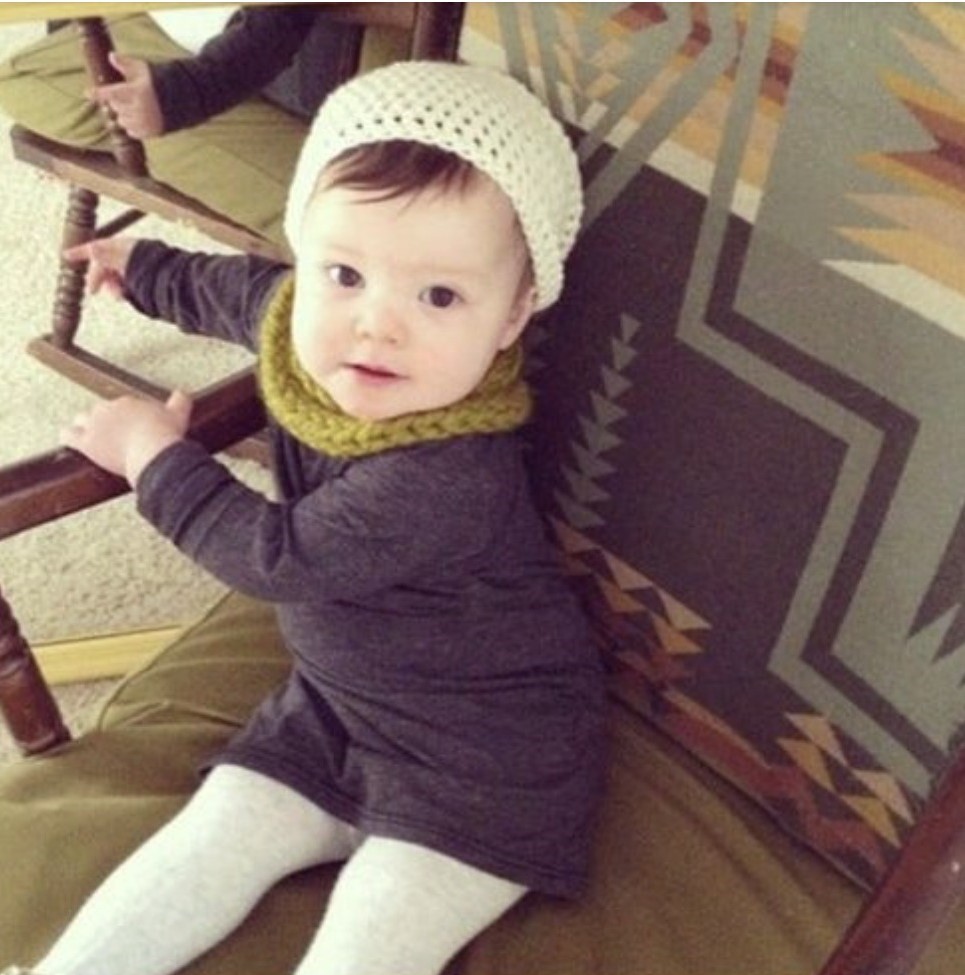
An Australian “sexuality educator” who advised parents to get a baby’s consent before changing their diapers sparked a contentious online discussion.
The online community is intrigued and perplexed by Deanne Carson’s claim that a “culture of consent” must begin at birth. One netizen inquired as to whether it is also required to obtain “consent from your cat to change its litter tray.”
The subject of consent is becoming more prevalent in unexpected contexts, such as diaper changes, in a world where parenting practices are changing more quickly than ever before.
It may seem unrealistic to ask a baby for permission before changing a dirty diaper, primarily because they are unable to respond verbally.
However, Deanne Carson contends that establishing the groundwork for consent and polite boundaries as early as feasible is more important than getting a formal response.
A culture of consent must begin at birth, according to Carson, who identifies herself on Twitter as a “sexuality educator, speaker, and author.”

She clarifies that the goal is to highlight the child’s autonomy and respect for their body. Parents can teach newborns to the idea of personal agency by narrating actions, such as “I’m going to change your diaper now, is that okay?” and stopping to examine body language.
Developing communication and trust
The self-described expert contends that the goal of this approach is to promote a two-way communication channel between parent and child rather than to wait for a verbal “yes.”
Carson stated in an interview with Australia’s ABC network that a baby would not say, “Yes, mum, that is awesome, I’d love to have my nappy changed.” “However, you are communicating to that child that their response counts if you leave a space and wait for body language and eye contact.”
As part of good communication, pediatricians and early childhood specialists frequently stress the need of reacting to a baby’s non-verbal signs, such as coos, giggles, or gestures. By integrating newborns in the process and making them somewhat aware of what is happening, diaper changes that incorporate permission are consistent with this.
“Lunacy on the left”
Critics contend that children are far too young to comprehend the concept of permission, and not everyone believes that this approach is essential or viable.
According to Rowan Dean, editor of The Spectator Australia, requesting a baby’s consent to change their diaper is “lefty lunacy.”
Additionally, psychologist, journalist, and parenting specialist John Rosemond claims that Carson is “the Weird and Even Weirder for the Most Bizarre Idea of All Time.”
Rosemond says in the Reno Gazette Journal, “Once upon a time, and not all that long ago, a person who proposed that parents should ask infants for consent to change their diapers would be regarded by everyone except herself as deranged.” “In this contradictory way, Carson’s ‘culture of consent’ turns into a family culture of misunderstanding, distrust, denial, and general dysfunction.”
Many people on social media ridiculed Carson’s ideas and criticized her qualifications after her comments sparked a flurry of online discussions.
“I think it’s consent when a baby cries because they are uncomfortable with a full diaper. “I would even go so far as to call it a demand,” one internet user comments.
Another says, “A self-described ‘professional’ advises parents to get consent before changing their child’s diaper. This indicates to me that she has absolutely no experience working with children.
“Do you need to get consent from your cat to change its litter tray?” said a third netizen in response to a video that was posted on X. No. If it smells, replace it. The same is true for a baby. Just replace it if it wees or poohs! “Leaving a child in a dirty diaper is legally recognized as child abuse,” continues another. Is this crazy person a supporter of child abuse? She poses a greater threat than those who support avoiding jabs.
However, some leaped to her defense, claiming that even though Carson’s example was flawed, her intentions were honorable.
“I’m seriously shocked at the negative response you got to this,” a netizen says. “Babies [and] toddlers learn to communicate well before they can speak.” I appreciate you putting up with the haters so we could have this conversation. What harm could there possibly be in demonstrating respect, even if you’re mistaken?
Another remarks, “I believe she wants to promote a dialogue on consent among children, but she has made a mockery of it by going too far. Infants are incapable of giving their permission. Never. They are infants! Their requirements for survival and protection are taken for granted.
“I agree with Deanne Carson,” writes another. Talking to your infant is simple. It’s simple to establish a consenting environment at home.
Even if it’s not precisely about consent, people think that it’s beneficial to be conscious and communicative with infants, despite the ongoing controversy.
The decision to “ask” for permission may ultimately depend on personal comfort levels and parenting philosophies. For some, merely engaging, observing, and attending to their baby’s needs may be sufficient; for others, asking for consent is just another approach to foster a loving, respectful relationship with their children.
How do you feel with Carson’s suggestion that parents ask their infants for permission to change their diapers? Please share this story and let us know what you think so we can hear from more people!