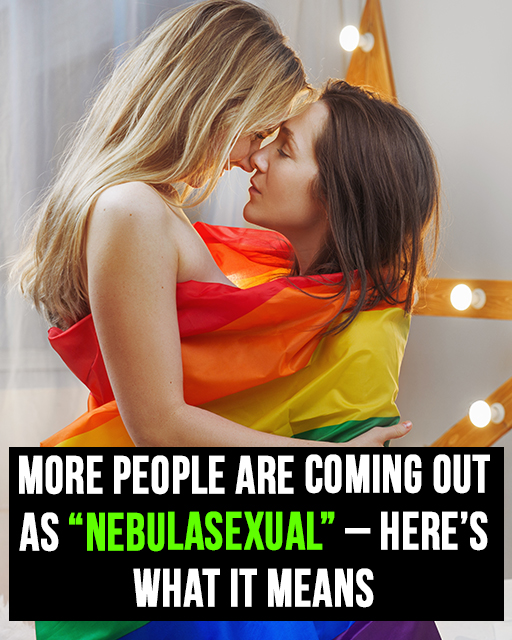
With new designations that aid in better understanding and expressing one’s identity, the LGBTQ+ community keeps growing. The word “nebulasexual,” which recognizes the complex relationship between attraction and neurological differences, is one that is gaining popularity, especially among neurodivergent people.
A neurodivergent perspective on sexuality
More people are realizing that traditional orientation designations don’t always accurately reflect their actual reality as neurodiversity becomes more widely recognized. Some people find it challenging to differentiate between sexual, aesthetic, and emotional forms of attraction due to neurological variations, such as ADHD, autism, or intrusive thought patterns (OCD).
When viewed via a neurodivergent perspective, the term “nebulasexual” validates the idea that attraction doesn’t look or feel the same for everyone, giving people a language to describe this experience and making them feel less alone and more understood.
Nebulasexual: What is it?

The Latin word nebulous, which means “clouded” or “unclear,” is the source of the prefix “nebula,” which well describes the vague, ill-defined sensation at the core of nebulasexuality, a term reserved for neurodivergent individuals.
Nebulasexuality is a sexuality that is classified as quoisexual, according to a Facebook post made by Autism Nottingham. This person “cannot tell if they experience sexual attraction or not due to neurodivergency or intrusive thoughts/urges/images,” according to the description presented. Nebulasexuals may desire sex or a sexual connection, but they are unsure if they feel attracted to someone.
Nebulasexuality differs from confusion and questioning because of this. Rather, it recognizes a continuous, ongoing experience where the ability to describe attraction in traditional terms is blurred by neurological distinctions.
Individuals on the spectrum
In a topic that has become as a focal point for nebulasexuality discussions, one Redditor says, “We aren’t broken, we just experience attraction in a different way due to our disorders.”
Another internet user comments on the thread, saying, “I’ve posted on LGBT subreddits asking because I literally cannot tell.” I simply sense things, and I have no idea what they mean! That makes sense because I am neurodivergent. I am unquestionably nebulasexual. Time for a new label!
Another autistic internet user expressed their viewpoint, stating that they experience “nothing, neither disgust nor desire.”
“I can at least comprehend this aspect of myself. “I’m happy that we’re gradually giving these ideas a platform because, as far as I can tell, many autistic people experience attraction in very different and nuanced ways than what the neurotypical norm posits,” the user says.
OCD and ADHD
“My brain interprets things differently because I have ADHD. I may find someone appealing, but is that sexual, aesthetic, or just my mind obsessing over their features? I have no idea. One netizen said, “Nebulasexual fits perfectly,” adding that having ADHD makes it harder for them to grasp attraction.
“The intrusive thoughts make it so hard to know what’s ME and what’s just my brain being chaotic,” says one person who suffers with OCD, adding another layer of complexity. I feel less shattered and more understood because of this designation.
“Officially lost it”
However, nebulasexualism has encountered skepticism, just like many other new identities. The term’s necessity has been questioned by several users: “I don’t understand why we need so many labels.” One person asks, “Isn’t this just being confused about your sexuality?”
Another expressed her annoyance at the confusing number of names that describe so many identities in a Facebook post, writing, “We have totally lost it… Really, doesn’t that just make you want to put down whatever you’re holding and head home?
Connection to biosex
“The definition of gender was remade to not be equal to biological sex,” a Quora user wrote in an attempt to explain the numerous gender identities. These days, gender is seen as a social construct centered on biosex, or biological sex, and how people view and engage with it.
According to this definition, each person’s gender is as distinct as their individual experiences; nevertheless, there are methods to categorize people in general based on how they relate to their biosex, which is where the plethora of labels used to refer to various genders came from.
As more people become aware of identities like nebulasexual, our understanding of human sexuality is broadened. Finding a name that captures their reality is more important to many neurodivergent people than trying to fit themselves into another category.
Regarding the identities that keep appearing, what are your thoughts? In order for us to hear from others, kindly share this tale and then let us know what you think!