
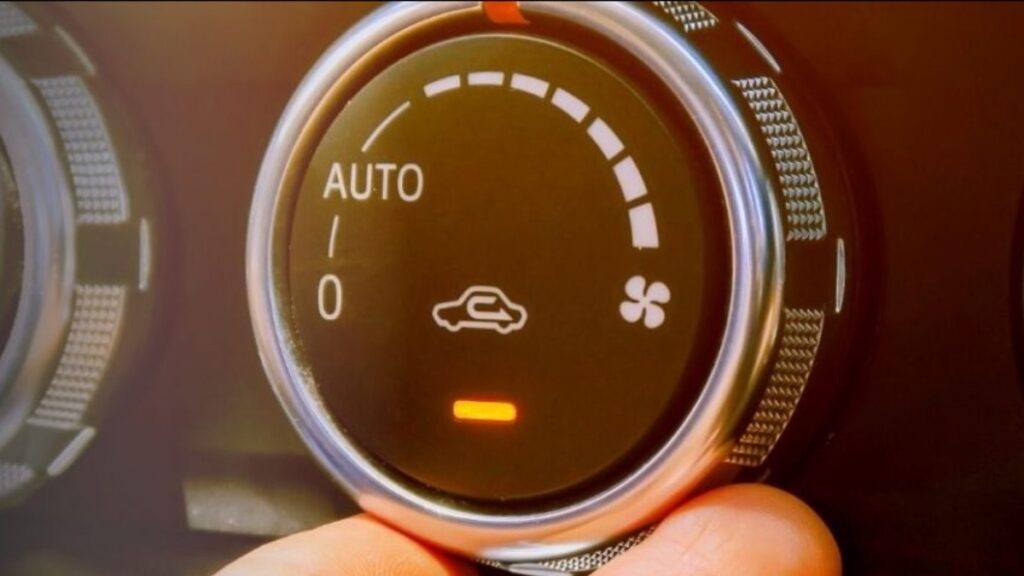
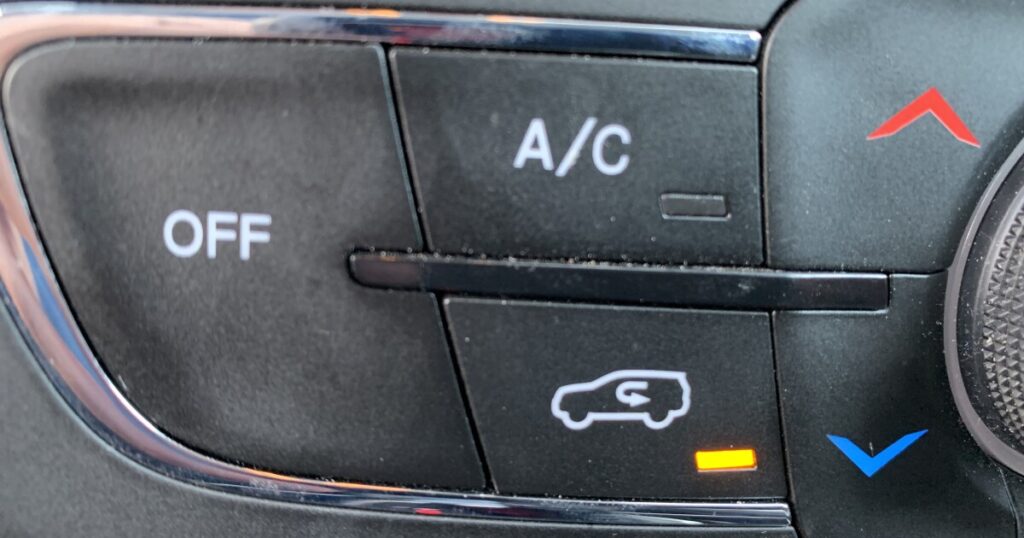
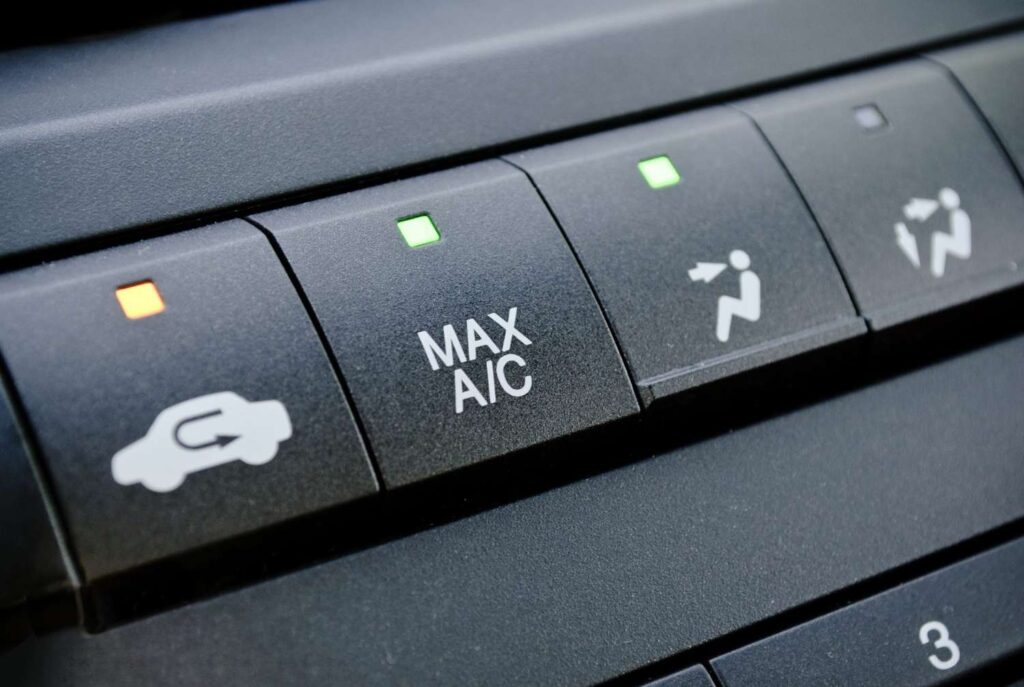
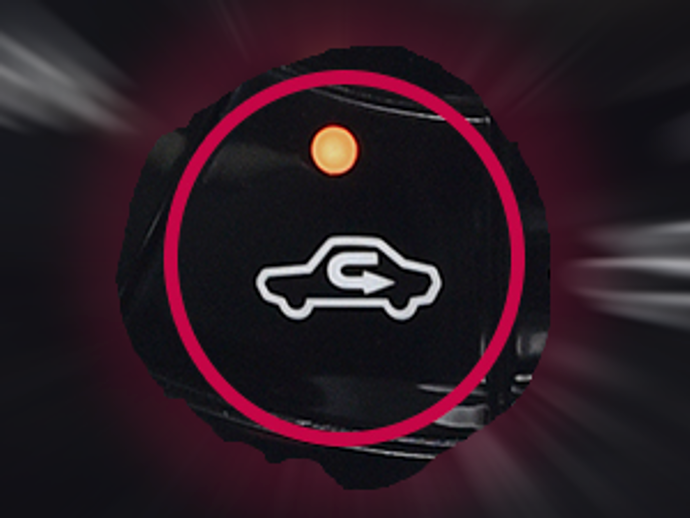
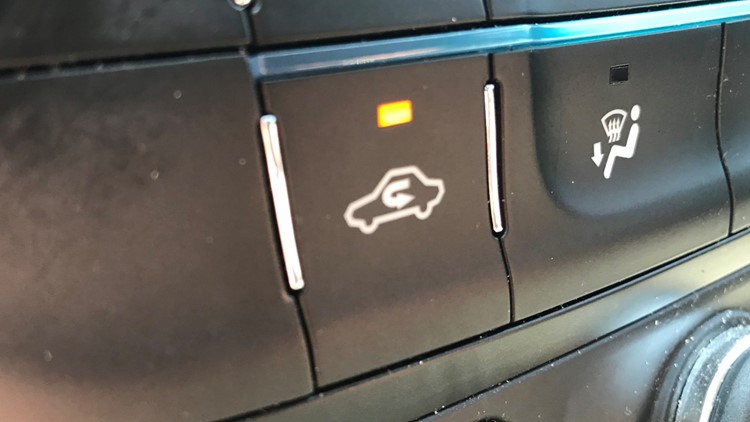
A familiar icon—a car with a looping arrow inside—is visible to many drivers when they gaze at the dashboard. This little symbol stands for the air recirculation system, one of your car’s most crucial but underappreciated systems.
When used properly, this system—which is frequently disregarded—can greatly increase comfort, improve cabin air quality, maximize energy economy, and even contribute to safety.
Optimizing driving comfort and efficiency requires knowing how it operates, when to use it, and its restrictions.
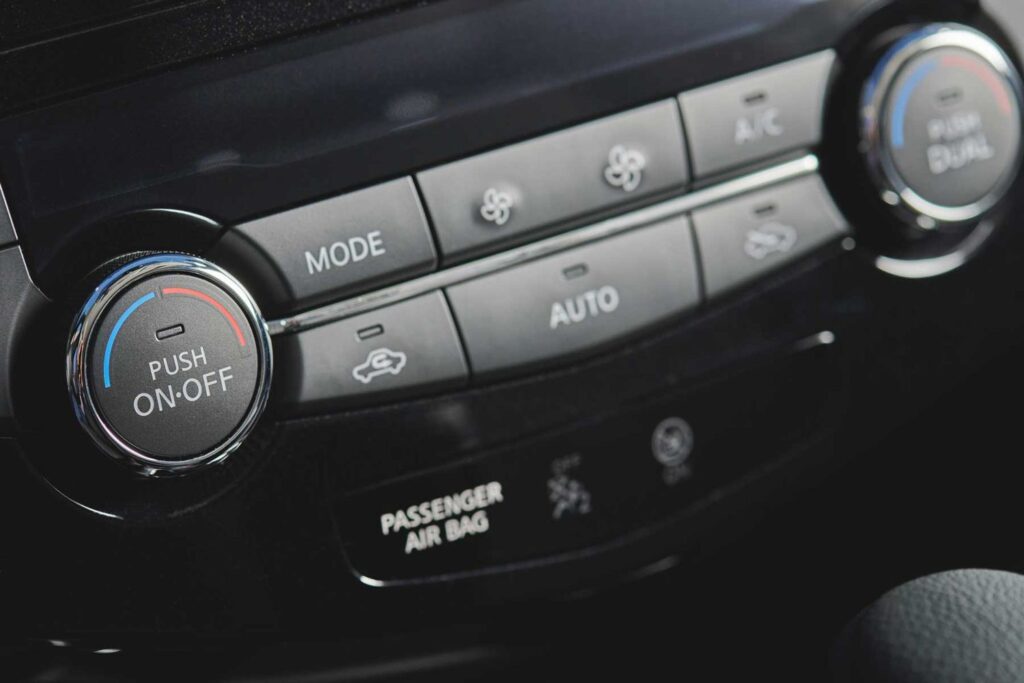
The Operation of the Air Recirculation System
The air recirculation system, which is found in the majority of contemporary cars, is fundamentally a straightforward but incredibly efficient process. There are normally two primary modes of operation for your car’s ventilation system:
Fresh Air Mode: The system constantly draws outside air through the car’s vents while recirculation is turned off.
Before being heated or cooled and sent into the cabin, this air is passed through a cabin air filter, which collects dust, pollen, and other particles. By keeping oxygen levels stable and avoiding the accumulation of stale air, this guarantees a steady supply of fresh air.
Recirculation Mode: A little internal door shuts off outside air when the recirculation button is pressed. The air inside the cabin is then continuously cycled by the device.
The system produces a closed-loop environment by reusing air that has already been conditioned. This lessens the strain on the HVAC system, enabling the heater or air conditioner to more quickly and effectively reach the appropriate temperature.
In order to maximize airflow, modern cars frequently use a mix of sensors, actuators, and temperature control modules.
While humidity sensors aid in preventing condensation and window fogging, temperature sensors keep an eye on both the interior and outside temperatures. In order to maintain a comfortable and healthy atmosphere, some systems even include air quality sensors, which identify contaminants and immediately modify recirculation.
Advantages of Air Recirculation
There are several advantages to using air recirculation properly, ranging from environmental effect and energy economy to comfort and health.
1. Quicker Cooling in Warm Weather
Recirculation’s ability to speed up cooling in warm or hot weather is among its most obvious benefits. The technology recycles air that has already been cooled by the air conditioner rather than continuously sucking in hot outside air.
This lessens the strain on the air conditioner, enabling the car to get to a comfortable temperature faster. In cars with engine-driven air conditioning systems, faster cooling not only increases comfort but also lowers fuel consumption because the compressor works less hard.
2. Effective Warming in Cold Climates
In frigid climates, recirculation is just as beneficial. Your car may heat up more rapidly and provide drivers and passengers with a more comfortable interior by retaining already heated air inside the cabin.
This can lessen engine strain and energy consumption during the winter or early morning hours, particularly in cars with high-performance HVAC systems or smaller cars.
3. Defense Against Air Pollution
Nitrogen oxides, carbon monoxide, and fine particulate matter (PM2.5) are among the contaminants that people are exposed to when driving in urban settings, high-traffic areas, or industrial areas.
By limiting the flow of harmful pollutants into the cabin, recirculation can be turned on, creating a safer and cleaner environment. For sensitive passengers, such as young children, the elderly, and people with respiratory disorders like bronchitis or asthma, this is especially important.
Four. Management of Allergies and Health
Pollen, dust, or mold spores entering the cabin can cause congestion, sneezing, watery eyes, and discomfort for people with allergies.
Recirculation mode lessens the entry of external allergens when paired with a clean cabin air filter. When recirculation is used seasonally, it can greatly enhance passenger comfort in places with heavy air pollution or during pollen maxima in the spring and fall.
5. Control of Odor
External smells can readily permeate the cabin when driving past farms, landfills, industrial areas, or even busy roads. By reducing undesirable odors, recirculation mode keeps the indoor air fresh.
This effect is further enhanced by the fact that many cars with activated carbon filters reduce volatile organic compounds (VOCs) and neutralize chemical scents.
6. Fuel savings and energy efficiency
Recirculation lessens the strain on the HVAC system, increasing energy efficiency. In traditional cars, running the air conditioner uses engine power, which raises fuel consumption. Recirculation can lessen this load and increase mileage, particularly in situations with stop-and-go traffic or intense heat.
Recirculation reduces battery depletion in electric cars (EVs), increasing driving range by a few crucial miles. This is a significant benefit on lengthy trips especially in inclement weather.
When Air Recirculation Should Not Be Used
Recirculation has numerous benefits, but excessive or inappropriate use can lead to issues:
1. Cold or Rainy Conditions Recirculating air can trap moisture inside the cabin during cold or wet weather, causing condensation on glass. This fogging is a safety risk since it can drastically reduce visibility.
The HVAC system can release extra humidity and preserve visibility by returning to fresh air mode.
2. Extended Road Trips
Lower oxygen levels and higher carbon dioxide concentrations can result from repeatedly recycling cabin air without fresh intake on long flights.
Driving performance may be hampered by sleepiness, minor headaches, or decreased alertness. Maintaining appropriate oxygen levels and alertness can be achieved by switching between fresh air and recirculation.
3. Sustaining General Air Quality
Stale air can arise from recirculating air for an extended period of time, even in situations with minimal levels of pollution or allergies. The cabin stays comfortable and breathable by maintaining a balance between fresh and recirculated air, preventing musty or stale conditions.
Typical Myths Regarding Air Recirculation
“It’s only for AC use.” Recirculation improves air quality, heating, and cooling.
“It can be left on indefinitely.” Prolonged use may result in low oxygen levels, stale air, or dampness.
“It filters all pollutants.” The device does not replace the cabin air filter, but it does restrict the entry of new contaminants. For best results, the filter must be clean.
Cabin Air Filters: An Essential Part
A key component of the recirculation system’s efficiency is the cabin air filter. Incoming air is cleaned of dust, pollen, grime, and debris by filters. Activated carbon filters, which eliminate chemical contaminants and smells, are also found in many contemporary automobiles.
Tips for Maintenance:
Every 12,000 to 15,000 miles, or more frequently in dusty or polluted locations, filters should be changed.
A blocked filter inhibits the effectiveness of recirculation, reduces airflow, and lowers HVAC efficiency.
For optimal protection, think about switching to high-efficiency or HEPA-grade filters for cars in urban locations with high pollution levels.
Useful Advice for Maximum Effectiveness
To lessen toxins that are ingested during traffic congestion or periods of high urban pollution, use recirculation.
In hot weather, turn it on to cool more quickly while lowering the AC load.
During lengthy journeys, switch to fresh air to sustain alertness and oxygen levels.
To avoid foggy windows, avoid prolonged use in cold or rainy weather.
Make sure the cabin air filter is cleaned and changed on time.
Current Developments in Recirculation Technologies
Modern cars frequently have automated recirculation, which switches between fresh and recirculated air based on temperature, humidity, and air quality sensors.
When pollution levels are excessive, some systems will automatically switch to recirculation; when conditions improve, they will switch back to fresh air. This guarantees the best possible cabin comfort and air quality while minimizing the need for human adjustment.
The Development of Vehicle Air Recirculation
Over the years, the air recirculation system has undergone tremendous change. Early car designs had crude ventilation systems that mainly used sliding vents or movable windows to let fresh air into the interior.
It was frequently impossible to heat or cool a car effectively, especially in extremely hot or cold climates, and drivers had limited control over the direction of airflow.
When air conditioning systems were first widely used in the 1950s and 1960s, they did not have recirculation functions. Due to the AC systems’ ongoing need to draw in hot air from the outside, early drivers found it difficult to keep their automobiles cool throughout the summer.
Manufacturers started including simple recirculation controls during the 1970s. By enabling drivers to manually shut off outside air, these early systems enhanced energy efficiency, increased odor and dust control, and sped up heating and cooling.
Recirculation advanced in the 1990s and 2000s with the emergence of complex climate control systems. Digital sensors that track temperature, humidity, and air quality are already integrated into modern systems.
Even high-end cars have predictive algorithms to automatically modify airflow according to driving habits, passenger preferences, and outside circumstances.
The air recirculation system is now a fully functional part of the HVAC system, improving passenger health, energy efficiency, comfort, and even environmental sustainability.
All-Weather and Seasonal Use
The season, the weather, and the driving circumstances must all be taken into account in order to optimize the advantages of air recirculation.
Summertime Driving in Hot Weather
To quickly cool the interior of a heated automobile, turn on recirculation as soon as you get inside.
To avoid stale air buildup and preserve humidity balance, switch to fresh air whenever the space reaches a reasonable temperature.
Recirculation is particularly useful in stop-and-go traffic or in areas with high city congestion since it lessens the stress on the air conditioner and avoids using too much gasoline.
Winter Travel and Cold Weather
Turn on recirculation to swiftly warm the cabin, particularly on cool mornings or for brief journeys.
Avoid using without fresh air for extended periods of time since stored moisture can condense on windows, causing fog and perhaps impairing vision. Clear windows and safer driving are ensured by switching to fresh air.
Rain, a lot of humidity, and fog
Windows may fog quickly as a result of humidity being trapped by constant recirculation.
To ventilate the cabin, lower moisture levels, and preserve safe visibility, switch to fresh air.
For best performance in humid or wet regions, use defroster settings in conjunction with fresh air input.
Urban and Areas with High Pollution
When traveling in locations with high industrial pollutants or in heavy traffic, recirculation mode is very helpful.
reduces health concerns and protects delicate passengers by keeping dust, exhaust fumes, and chemical pollutants out of the cabin.
Highway Use and Long-Distance Driving
To guarantee appropriate oxygen levels, keep fresh and recirculated air in balance.
Increased weariness and decreased attentiveness might result from prolonged recirculation, particularly when there are several passengers.
In addition to keeping the cabin comfortable and breathable, fresh air intake lessens tiredness.
Implications for the Economy and Environment
Effective use of air recirculation has both economic and environmental benefits:
Conventional Vehicle Fuel Efficiency
In cars with conventional internal combustion engines, air conditioning uses engine power. Recirculation can increase fuel efficiency by lessening the strain on the AC system, especially in hotter climes or areas with high traffic volumes.
Over time, even modest efficiency improvements add up to real savings, particularly for regular drivers or commuters.
Electric Vehicle (EV) Energy Efficiency
Climate control systems in EVs are powered by batteries. Strategic recirculation lowers energy use and increases the vehicle’s driving range.
Careful recirculation during severe weather can increase range by several miles, which is essential for lengthy journeys or reducing the need for charging breaks.
Sustainability of the Environment
Greenhouse gas emissions are decreased by both fuel-based and electric vehicles using less energy. Even if the effect per vehicle is small, widespread use of appropriate recirculation techniques helps to reduce carbon footprints over time, supporting larger environmental objectives.
Advanced Safety and Health Issues
Although efficiency and comfort are the most evident advantages, recirculation is crucial for the health and safety of passengers:
Minimizing Pollution Exposure
Airborne contaminants such VOCs, PM2.5, carbon monoxide, and nitrogen oxides can have an impact on respiratory health in urban settings. Recirculation provides a layer of protection by preventing fresh contaminants from entering the cabin.
Children, senior citizens, and travelers with asthma, allergies, or long-term respiratory disorders can especially benefit from this.
Handling Pathogens and Allergens
Recirculation can lessen the amount of mold spores, pollen, and airborne viruses that enter the cabin during allergy season or times when the flu is very common.
This makes the environment safer and healthier when combined with a clean cabin air filter. When recirculation is utilized strategically, parents frequently observe a decrease in children’s sneezing, congestion, and irritation.
Avoiding Sleepiness
Long-term recirculation without fresh air can raise carbon dioxide and lower oxygen levels, which may result in moderate headaches, drowsiness, or exhaustion. Driving more safely and attentively is ensured by switching to fresh air, particularly during lengthy journeys.
Sustaining Visibility
Windows stay clear when recirculation and HVAC defogging settings are used properly. Without ventilation, trapped humidity in recirculated air can lead to condensation, which reduces visibility and raises the possibility of accidents.
Professional Suggestions
These more pointers are supplied by engineers and automotive specialists:
Track Air Quality Sensors: Learn how your car reacts to outside pollutants and smells if it has automated recirculation. Without human involvement, sensors maximize efficiency and comfort.
Maintain Cabin Air Filters: To guarantee peak performance, check and replace filters on a regular basis. Airflow is decreased, air quality is compromised, and the advantages of recirculation are diminished when filters are clogged.
Use Intermittent Recirculation: Depending on the situation, switch between recirculated and fresh air. This keeps oxygen levels stable, avoids stale air, and lowers condensation.
Combine with Other Comfort Features: For optimal comfort and effectiveness, combine recirculation with window placement, sunshades, or seat ventilation.
Plan for Extreme Conditions: To avoid excessive energy use while maintaining passenger comfort, combine recirculation with gradual temperature adjustment in hot summer cities or frigid winter climes.
Detailed Instructions for Safe and Efficient Use
First, find the icon.
Search for the dashboard symbol that shows an automobile with a looping arrow. The air recirculation system is managed by this.
Step 2: Establish the Conditions
Make use of recirculation when:
Summertime heat to swiftly chill the cabin
Areas with high levels of pollution or urban traffic
When you come across pungent smells while driving
Change to fresh air when:
Humid or rainy weather to prevent fogging
Long distances to keep oxygen levels stable
To avoid condensation when heating in cold weather
Examine the cabin air filters in step three.
Filters should preferably be inspected and changed every 12,000 to 15,000 miles. In dusty or contaminated places, think about replacing more frequently.
Step 4: Take Comfort and Safety into Account
Depending on the temperature, humidity, and length of the journey, switch between fresh air and recirculation.
Step 5: Increase Productivity
Combine correct window closure, vent direction, and recirculation. This improves energy efficiency and comfort.
In conclusion, a tiny button can have a big impact.
The air recirculation system has a significant impact on efficiency, safety, comfort, and health, although being frequently disregarded. Knowing its workings, advantages, and drawbacks enables drivers to:
Heat or cool the cabin more quickly
Minimize exposure to allergies and pollutants
Boost battery or fuel efficiency
Preserve oxygen levels and avoid sleepiness
Reduce condensation and keep visibility clear.
This straightforward dashboard button can completely change the driving experience by combining familiarity with your car, routine maintenance, and wise usage practices.
Effective use of air recirculation results in a cleaner, safer, more enjoyable, and environmentally conscious ride—whether in the sweltering summer heat, the bitterly cold winter, or the dirty city streets.
This little indication, which is frequently disregarded, is actually one of the most useful resources for any driver, demonstrating how knowledge of even seemingly insignificant details can have a significant impact on sustainability, comfort, and health.